


Post-Treatment qSPECT/CT Dosimetry in Radiopharmaceutical Therapy
Advancing Precision and Safety in Cancer Care
At Theranostics Centers of America, our dedication to personalized and effective cancer care goes beyond the delivery of therapy itself. Post-treatment quantitative SPECT/CT (qSPECT/CT) dosimetry is a sophisticated imaging and analytical technique used to calculate the actual radiation dose received by tumors and surrounding healthy tissues following radiopharmaceutical treatment. This process supports highly precise, individualized care for each patient.
What Is qSPECT/CT Dosimetry?
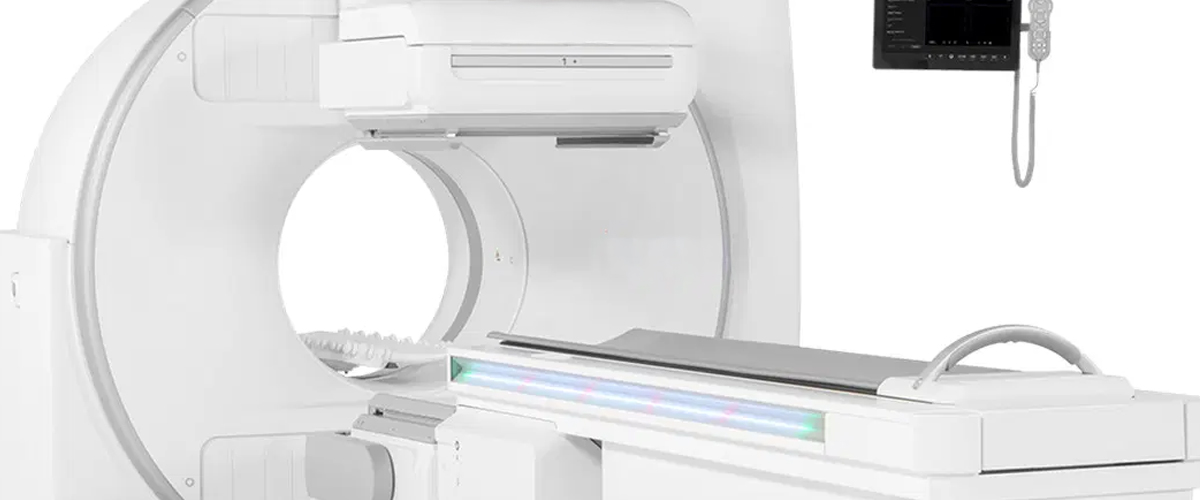
Quantitative SPECT/CT (qSPECT/CT): A hybrid imaging modality that integrates functional SPECT imaging with anatomical CT scanning to generate three-dimensional, quantitative maps showing how radiopharmaceuticals are distributed throughout the body.
Dosimetry: The process of calculating and evaluating the radiation dose absorbed by tissues, allowing clinicians to refine future treatments and enhance both safety and effectiveness.
Why Is Post-Treatment Dosimetry Important?
Individualized Evaluation: Determines the actual radiation dose delivered to tumors and critical organs, rather than relying exclusively on standardized dosing models.
Improved Treatment Outcomes: Supports informed adjustments to subsequent therapy cycles, helping to maximize tumor response while limiting adverse effects.
Enhanced Safety Oversight: Detects potential increased exposure to sensitive organs such as the kidneys or bone marrow.
Therapy Verification: Confirms that the radiopharmaceutical has successfully targeted the intended cancer sites.

How the Process Works
Radiopharmaceutical Administration: The patient receives a targeted radiopharmaceutical therapy, such as Lutetium-177, Iodine-131, or Radium-223.
qSPECT/CT Imaging: Post-therapy imaging is performed to visualize and quantify radiopharmaceutical distribution.
Dose Calculation: Specialized software analyzes the images to calculate absorbed radiation doses in tumors and normal tissues.
Clinical Interpretation: The care team reviews the findings to guide future treatment planning and provide informed patient counseling.
Who May Benefit From Post-Treatment Dosimetry?
Patients undergoing radiopharmaceutical therapies for conditions such as metastatic prostate cancer, neuroendocrine tumors, thyroid cancer, and other malignancies.
Individuals who require treatment personalization based on their specific biological response to therapy.